
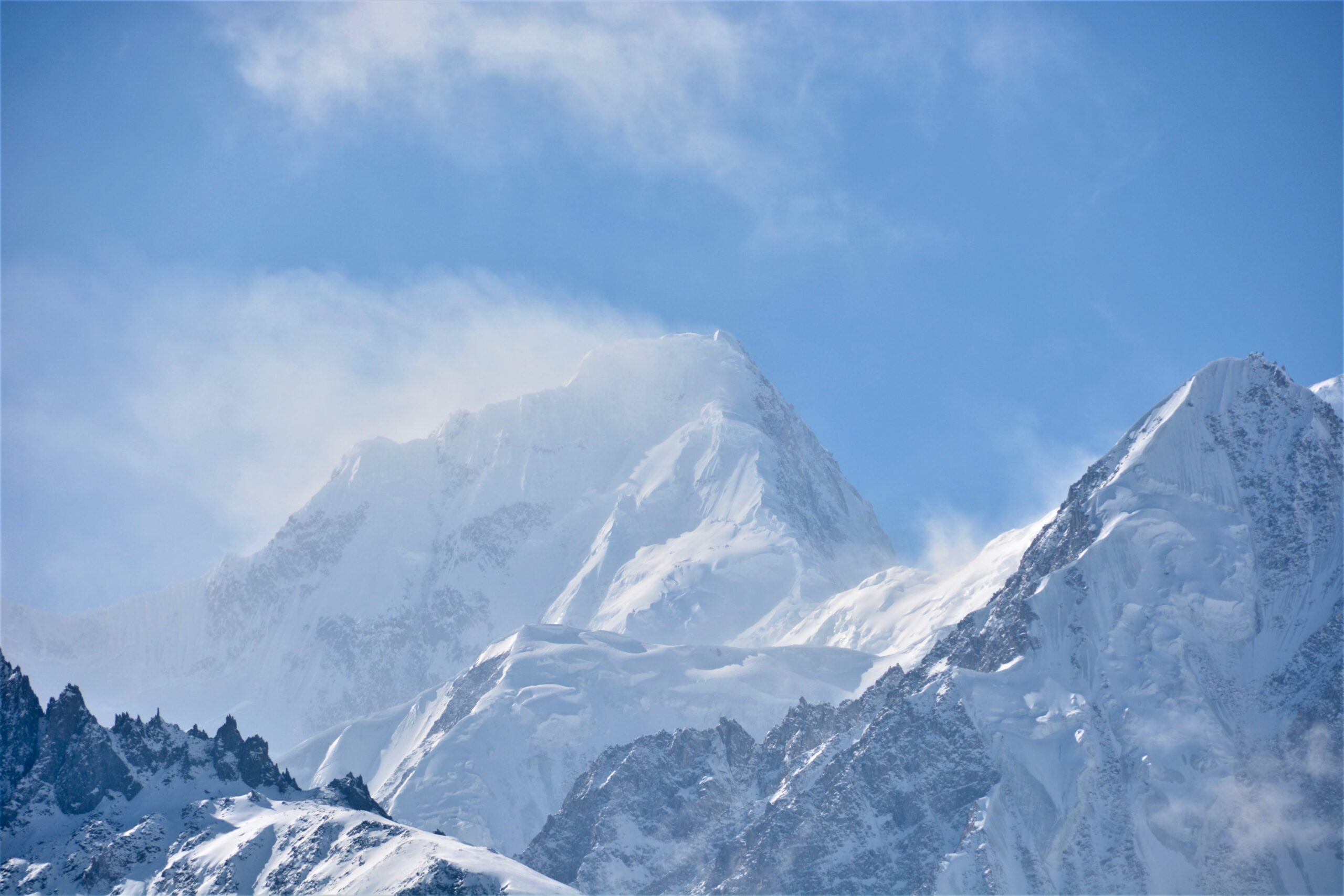
Travel and mountaineering | Contributed by Life Goes On
Rising to 7,852 metres in the Hispar Muztagh sub-range of Pakistan’s Karakoram, Kunyang Chhish is one of the region’s most formidable mountains. Better known among mountaineers than ordinary travellers, the peak is renowned not only for its height but also for its difficult routes and a climbing history marked by tragedy and rare success.
A complex mountain massif
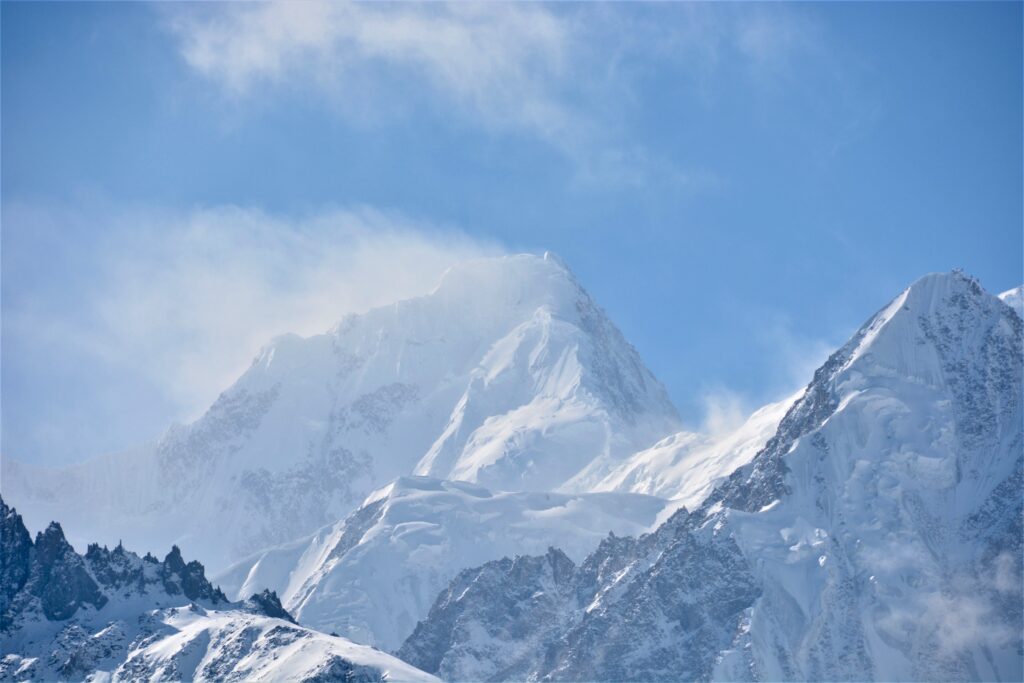
Kunyang Chhish is the second-highest mountain in the Hispar Muztagh, after Distaghil Sar. It is also known by variant spellings including Khunyang Chhish and Khinyang Chhish. The name is commonly translated from Burushaski as “Corner Peak”. The mountain rises above the northern side of the Hispar Glacier, near the area where the Hispar and Kunyang glaciers meet.

The name refers to a mountain massif rather than a single isolated summit. Its recognised high points include Kunyang Chhish Main (7,852m), South (7,620m), East (7,400m), West (7,350m) and North (7,108m). The North summit is generally treated as an independent peak, while the others form part of the main massif.
Early attempts ended in tragedy
The first recorded attempt on the main summit came in 1962, when a joint British-Pakistani expedition set out towards the mountain’s south-eastern side. On 18 July, expedition leader Major E. James E. Mills and Captain M. R. F. Jones were killed when an avalanche swept them from a snow ridge at around 6,100 metres. The expedition was abandoned.
A Japanese expedition attempted the south ridge in 1965. The climbers reached approximately 7,200 metres, but a narrow snow ridge collapsed and Takeo Nakamura died. The repeated setbacks underlined the hazards posed by unstable snow, exposed ridges and rapidly changing conditions on the mountain.


The first ascent in 1971
Kunyang Chhish was finally climbed on 26 August 1971 by a Polish expedition led by Andrzej Zawada. Andrzej Heinrich, Jan Stryczynski, Ryszard Szafirski and Zawada reached the summit by the south ridge, approaching from the Pumari Chhish Glacier. The achievement came at a cost: expedition member Jan Franczuk died in a crevasse accident.
The second ascent in 1988
The mountain’s second recorded ascent was made in 1988 by British climbers Mark Lowe and Keith Milne. They climbed the north-west spur to the north ridge, a demanding line involving steep ice and a difficult bergschrund near the summit. The American Alpine Journal’s account of the expedition records that Lowe and Milne made their summit push in July. The main summit has remained exceptionally rarely climbed.
These expeditions show that the challenge is not simply the mountain’s elevation. Climbers must contend with avalanche-prone slopes, crevasses, unstable snow and ice, strong winds and sudden changes in weather. At high altitude, the effects of low oxygen add to the physical strain, while moving supplies and establishing camps across glaciated terrain require extensive logistical support.


Glaciers, access and the wider landscape
The Hispar and Kunyang glaciers form part of the vast ice system surrounding the mountain. Historical expeditions approached from the Hispar and Pumari Chhish glacier areas, with base-camp locations depending on the chosen route. Glacier surfaces are constantly changing: crevasses, icefalls and avalanche paths can shift from season to season, making old route descriptions insufficient for planning a modern expedition.
For visitors travelling in Hunza or Nagar, viewing the high Karakoram peaks and attempting a technical climb are very different undertakings. Visibility depends on weather, cloud cover and viewpoint, and there is no guarantee that Kunyang Chhish will be clearly visible from any particular stop. Anyone considering an expedition needs experienced mountaineers, reliable local logistics, the required permits and comprehensive safety arrangements.
Kunyang Chhish remains one of the Karakoram’s most imposing and demanding mountains. Its reputation has been shaped less by crowds or commercial tourism than by the history of difficult climbs, the determination of those who reached its summit and the memory of those who did not return.
Contributor: Life Goes On.
Sources: American Alpine Journal; Himalayan Journal; ExplorersWeb. The mountain’s height, recognised summits and climbing history have been checked against mountaineering records.