
Home Blog Page 124

Kashmir’s Hospitality Industry Through the Lens of a Local Newsroom

0

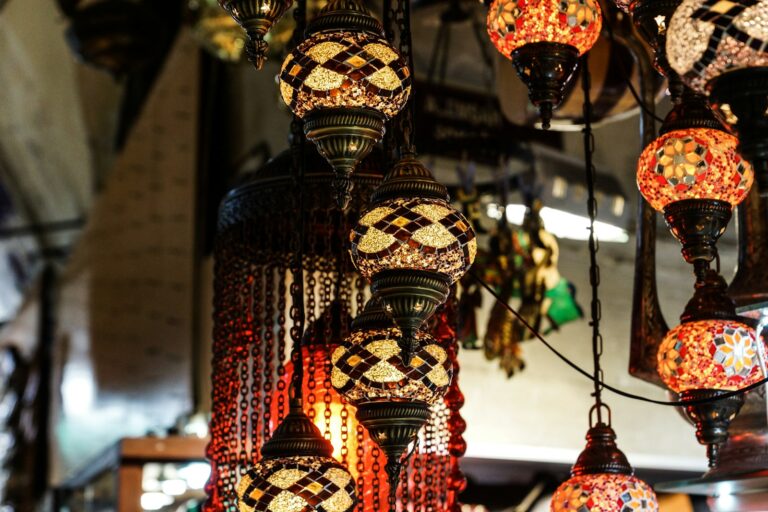
As dawn breaks over Dal Lake, Srinagar’s iconic houseboats creak to life. The scent of saffron-infused Kahwa wafts through walnut-carved corridors, while hoteliers trade stories of a season shaped as much by geopolitics as by snowfall. Kashmir’s hotels often reduced to SEO-driven lists of “top 5-stars” and “best views” are, in reality, microcosms of the valley’s resilience, contradictions, and cultural pride. At The Azadi Times, we’ve spent years documenting this evolving narrative. Here’s what guidebooks won’t tell you.

The Reinvention of Srinagar’s Heritage Stays

Srinagar’s houseboats, once symbols of romantic escapism, now grapple with 21st-century demands. Take the New Gulistan houseboat, owned by the Dar family since 1947. Last year, they installed solar panels and partnered with local women to weave organic linen bedspreads. “Tourists today want Wi-Fi and authenticity,” says owner Aatif Dar. “But how do you market that?”

Nearby, a new wave of boutique hotels is redefining tradition. The Kashmir Edit, a 10-room property in a restored 19th-century haveli, offers calligraphy workshops with Sufi scholars and farm-to-table dinners featuring lotus stem curries. “We’re not selling rooms; we’re selling immersion,” explains manager Laila Wani. Yet, these innovations exist alongside exploitation: Some heritage hotels inflate prices by 200% during peak months, capitalizing on Kashmir’s “bucket-list” allure.

Gulmarg’s Ski Hotels: Luxury and Survival at 8,800 Feet

When the Gulmarg Gondola ferries skiers to Mount Apharwat’s summit, few notice the staff at hotels like The Khyber Himalayan hauling supplies via sled during blizzards. “Last winter, we ran out of diesel for generators,” recalls chef Arif Malik. “We cooked Rogan Josh over wood fires guests loved it, but it’s not sustainable.”

The paradox of Gulmarg’s hospitality is stark:

  • The Elite: Ski-in/ski-out resorts charging $100/night, frequented by Bollywood stars and foreign diplomats.
  • The Invisible: Migrant workers from the Indian States Bihar and Nepal, are paid $5/day to clear snow, often without proper gear.

Meanwhile, smaller properties like Hotel Hilltop pivot creatively. Off-season, they host climate researchers studying Kashmir’s vanishing glaciers. “We’re more than a ski stop,” says owner Faisal Bhat. “We’re a basecamp for understanding this ecosystem.”

The 5-Star Mirage: Who Defines Luxury in Kashmir?

International chains like Taj Vivanta dominate search results for “5-star hotels in Kashmir,” but their metrics rarely align with local realities. A 2023 survey by the Srinagar Hospitality Association found:

  • 68% of “luxury” hotels import over 50% of their food, despite Kashmir’s agricultural wealth.
  • Only 12% employ more than 30% of local staff in managerial roles.

Contrast this with The Chinar, a family-owned hotel in Pahalgam. Their “5-star” experience includes guided hikes with Gujjar shepherds and a “zero-mile menu” featuring trout from the Lidder River. “Luxury here means connection, not champagne,” says owner Hina Shah.

The Rise of Rebel Stays: Homestays Rewriting the Rules

In villages like Aru and Yusmarg, a quiet revolution brews. Farmers-turned-hosts like Rafiq Rather open their apple orchards to travelers, offering rooms for $5/night with meals cooked by his wife, Zahida. “City agencies promised to ‘list’ us for $3000/year,” he says. “We refused. Our guests find us through WhatsApp and word-of-mouth.”

These homestays fill critical gaps:

  • Cultural Preservation: Guests learn Phirki (traditional fire-making) and walnut oil extraction.
  • Economic Equity: 90% of earnings stay within the village versus 30% at commercial hotels.

Yet, they battle invisibility. “Google’s algorithms favor paid ads,” notes travel blogger Anika Rao. “The real Kashmir gets buried under SEO.”

The Climate Crisis: Kashmir’s Hotels on the Frontlines

In 2021, unprecedented rains flooded 60% of Srinagar’s houseboats. Owners like Majid Banday now partner with hydrologists to design floating wetlands that stabilize water levels. “Dal Lake isn’t just our workplace—it’s our ancestor,” he says.

Meanwhile, Gulmarg’s hotels face a snowless future. A 2022 IPCC report predicts Kashmir’s winter season could shrink by 40% by 2050. Properties like Snowpeaks Resort now diversify with summer foraging tours and astrotourism packages. “We’re preparing for a time when skiing is nostalgia,” admits manager Irfan Lone.

Top Hotels in Kashmir

This curated list goes beyond generic rankings to spotlight the best hotels in Kashmir with prices in USD, verified reviews, and unique features. Designed for discerning travelers, it balances luxury, culture, and affordability while respecting the geopolitical nuances that shape Kashmir’s tourism.

Best Hotel in Kashmir List with Prices, Features, Location and Reviews

Hotel NameLocationStarting Price (USD)Google RatingKey Features
The Khyber Himalayan Resort & SpaGulmarg$333+4.4★Ski-to-door access, heated infinity pools, luxury spa, and views of the Pir Panjal Range 217.
Vivanta Dal ViewSrinagar$267+4.7★Panoramic Dal Lake views, infinity pool, spa, and modern Kashmiri architecture 1517.
The Lalit Grand PalaceSrinagar$293+4.5★Restored Maharaja’s palace, indoor pool, Rejuve Spa, and proximity to Mughal Gardens 1517.
Hotel Heevan PahalgamPahalgam$120+4.2★Lidder River views, serene mountain-facing rooms, and traditional Kashmiri hospitality 217.
WelcomHotel Pine-n-PeakPahalgam$160+4.7★Riverside location, adventure activities (rafting, trekking), and spa services 217.
Grand Mumtaz ResortsSrinagar$107+4.4★Proximity to Dal Lake, outdoor pool, and blend of traditional and modern design 17.
Comrade InnSrinagar$67+3.9★Budget-friendly, near Dal Lake and Mughal Gardens, modern amenities 2.
Wangnoo HouseboatsDal Lake, Srinagar$50+4.0★Authentic houseboat stay with lotus-filled lake views and Kashmiri cuisine 2.
Hotel Glacier HeightsSonamarg$40+4.3★Ideal for trekkers, organizes rafting and camping, budget-friendly 2.
Pine Spring ResortGulmarg$120+4.2★Near Gulmarg Gondola, mountain views, and adventure-friendly facilities 17.

Why Journalism Matters in Tourism

Most “hotels in Kashmir” lists are crafted by affiliate marketers chasing commissions. At The Azadi Times, our approach is different:

  1. Ethical Audits: We visit properties unannounced, checking for fair wages and eco-certifications.
  2. Local Voices: Housekeepers, chefs, and drivers not PR teams shape our reviews.
  3. Long-Term Tracking: We exposed a Srinagar hotel chain dumping waste into Dachigam National Park in 2022; they’re now under investigation.

Rethinking the “Best” Hotel

Kashmir’s hospitality industry isn’t a checklist of amenities it’s a living dialogue between tradition and crisis, profit and preservation. The “best” hotel might be the homestay teaching kids to replant saffron crocuses or the ski lodge funding glacier research. As you plan your journey, ask not just “Where should I stay?” but “Whose Kashmir am I supporting?”

Jammu Kashmir Joint Awami Action Committee Hosts Landmark Conference on Land Rights and Governance in Bagh

0

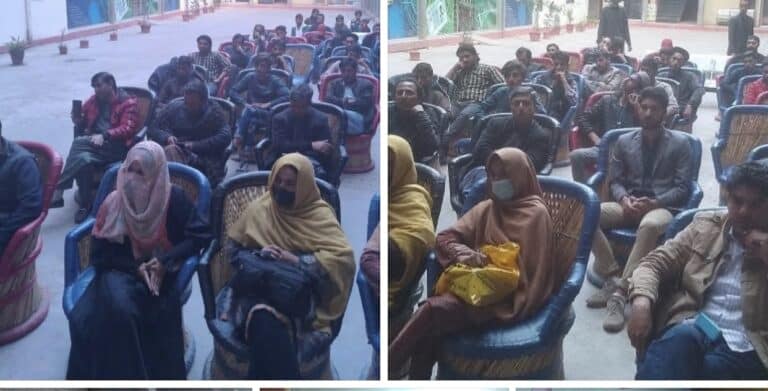
Bagh, Azad Jammu and Kashmir – The Jammu Kashmir Joint Awami Action Committee (JKJAAC), a grassroots movement advocating for the rights of Kashmiris, organized a pivotal conference titled “Haq Malkiat aur Haq Hukmarani” (Right to Ownership and Right to Governance) in Kotera Mast Khan Union Council, Beni Pasari, Bagh. The event, marked by the swearing-in ceremony of local action committee members, drew hundreds of residents and featured impassioned speeches from key leaders, including Shaukat Nawaz MirSardar Iftikhar ZamanAnjam Zaman Awan, and Khwaja Mehran Advocate.

Conference Highlights: Demanding Rights and Unity

The conference aimed to address systemic issues in Azad Kashmir, particularly land ownership disputes and governance challenges, which JKJAAC argues are intrinsically tied to the unresolved Kashmir conflict. Shaukat Nawaz Mir, a central figure in the movement, emphasized:
“Our struggle is not just for land rights it’s a fight for dignity and self-determination. Until Kashmiris are granted the right to decide their future, local injustices will persist.”

Other speakers, including Sardar Abid Shahin and Raja Ghulam Mujtaba, echoed this sentiment, linking local grievances to the broader geopolitical stalemate over Kashmir.

Who is Shaukat Nawaz Mir?

  • Role in JKJAAC: A founding member and leading strategist, Mir has been instrumental in mobilizing public support across Azad Kashmir.
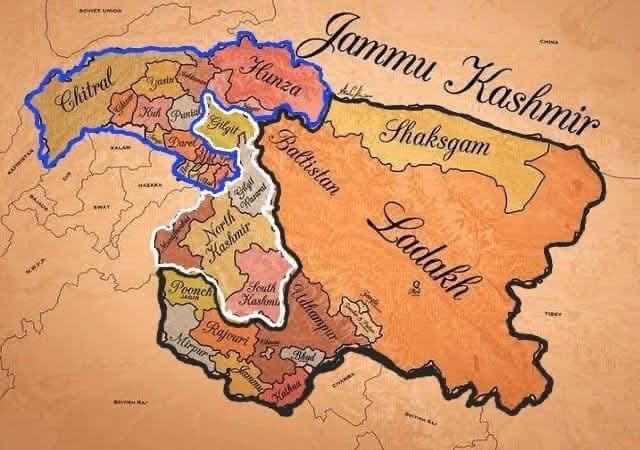
  • Vision: Advocates for a non-electoral, grassroots approach to resolving Kashmir’s political and social issues, emphasizing unity between Gilgit-Baltistan, AJK, and Indian-administered Jammu Kashmir.
  • Public Influence: Known for his fiery oratory, Mir has become a symbol of resistance against what he calls “exploitative systems imposed by external forces.”

Jammu Kashmir Joint Awami Action Committee: A Movement Beyond Politics

Since its inception two years ago, JKJAAC has emerged as a formidable force in Azad Kashmir, challenging traditional political parties and their alignment with Pakistani mainstream politics. Key aspects of the committee include:

  1. Non-Electoral Focus: Unlike mainstream parties, JKJAAC abstains from electoral politics, positioning itself as a people’s movement focused on advocacy and awareness.
  2. Cross-Society Support: The committee boasts a diverse coalition of professionals, religious leaders, activists, and youth, united under the banner of “Kashmir First.”
  3. Achievements: Successful campaigns include mass protests against land seizures, seminars on constitutional rights, and international advocacy for Kashmir’s right to self-determination.

Khwaja Mehran Advocate: Legal Voice of the Movement

Khwaja Mehran Advocate, a prominent JKJAAC leader, highlighted the legal dimensions of the struggle:
“Land ownership documents are being weaponized to disenfranchise Kashmiris. We demand transparency and justice—not just in courts, but in global forums.”

The Larger Kashmir Connection

JKJAAC’s ideology hinges on the belief that local issues in Azad Kashmir—such as land disputes, economic marginalization, and governance failures—cannot be resolved without addressing the core Kashmir conflict. The committee’s demands include:

  • UN-Led Dialogue: A peaceful, multilateral resolution to the Kashmir dispute.
  • Reunification: Recognition of Gilgit-Baltistan and AJK as part of the historic Jammu and Kashmir state.
  • End to Exploitation: Halting resource extraction and land acquisitions by external entities.

Social Impact and Public Reaction

The Bagh conference has galvanized support across AJK, with residents praising JKJAAC’s inclusive approach. “They’re the only ones speaking for us, not for votes,” remarked a local farmer. However, the movement faces criticism from pro-establishment groups accusing it of “destabilizing” the region.

Political Implications

JKJAAC’s rise signals a shift in Azad Kashmir’s political landscape:

  1. Decline of Traditional Parties: Public trust in mainstream parties has waned amid allegations of corruption and complacency.
  2. Youth Mobilization: Over 60% of JKJAAC’s supporters are under 35, reflecting growing youth disillusionment with the status quo.
  3. International Attention: The committee’s framing of local issues within the broader Kashmir conflict has attracted scrutiny from human rights organizations.

Future Steps

JKJAAC plans to expand its network through:

  • District-Level Conferences: Building grassroots committees in all 10 districts of AJK.
  • Global Advocacy: Collaborating with diaspora groups to lobby at the UN and EU.

    Nawaz Khan Naji’s Azad Kashmir Visit Ignites Social Media Debate Over Kashmir’s Future

    0

    Neelum, Azad Jammu and Kashmir: A recent visit by Nawaz Khan Naji, member of the Gilgit-Baltistan Provincial Assembly and leader of the Balawaristan National Front, to Azad Jammu Kashmir (AJK), has triggered heated debates on social media, reigniting discussions about the region’s political future. Naji, a prominent advocate for the reunification of Gilgit-Baltistan (GB) and Jammu Kashmir, delivered a contentious speech in Neelum Valley on the martyrdom anniversary of Maqbool Bhat Shaheed, calling for a “Libya-style solution” to the Kashmir conflict.

    Naji’s Neelum Valley Speech: A Call for Self-Determination

    Invited by Saddaqat Mughal Kashmiri, president of the Jammu Kashmir Liberation Front (JKLF-Nariyati), Naji addressed a crowd in Neelum Valley, emphasizing the shared cultural, geographical, and historical ties between Gilgit-Baltistan and Jammu Kashmir. “From Gilgit to Srinagar, we are one people, united by blood and soil. The division of our land is artificial, and only a referendum can restore our collective dignity,” he declared.

    Naji’s reference to the Libya model—a UN-supervised referendum allowing Kashmiris to choose independence or accession to India/Pakistan—drew both applause and criticism. “The world watched Libya decide its fate. Why are Kashmiris denied the same right?” he questioned, echoing his long-standing demand for Kashmiri self-determination.

    Who is Nawaz Khan Naji?

    • Political Profile: A firebrand nationalist leader from Ghanche District, Gilgit-Baltistan, Naji heads the Balawaristan National Front, a party advocating GB’s reunification with Jammu Kashmir and recognition as part of the “original State of Jammu and Kashmir.”
    • Ideology: Nawaz Khan Naji rejects GB’s current provisional status and insists on its inclusion in any resolution of the Kashmir conflict. He frequently highlights the region’s cultural and historical ties to Kashmir.
    • Social Media Influence: With a strong following on both sides of the Line of Control (LoC), Naji’s speeches and visits to AJK often trend on platforms like Twitter and Facebook, amplifying his message among youth.

    Social Media Outrage and Support

    Naji’s Neelum Valley speech went viral, sparking polarized reactions:

    1. Supporters: Hailed his “bold stance,” praising him for challenging the status quo. “Finally, a leader who speaks for all Kashmiris, not just AJK or GB,” wrote a user from Skardu.
    2. Critics: Accused Naji of “ignoring ground realities” and undermining Pakistan’s stance on Kashmir. “The Libya model is a Western trap. Kashmir’s solution lies in UN resolutions,” countered a Srinagar-based activist.
    3. Debates: Hashtags like #KashmirLibyaModel and #OneKashmir trended for days, with users dissecting the feasibility of Naji’s proposal.

    The Libya Model: What Does It Mean for Kashmir?

    Naji’s advocacy for the Libya model centers on three pillars:

    1. UN-Supervised Referendum: A direct vote allowing Kashmiris to choose independence, union with Pakistan, or accession to India.
    2. Reunification: Merging Gilgit-Baltistan, AJK, and Indian-administered Jammu Kashmir into a single entity before any plebiscite.
    3. International Pressure: Mobilizing global support to hold India and Pakistan accountable.

    “The Libya model isn’t about copying another nation’s path. It’s about asserting our right to decide,” Naji clarified in a follow-up interview.

    Historical Context: Gilgit-Baltistan’s Ambiguous Status

    Gilgit-Baltistan, though culturally and geographically tied to Kashmir, remains in constitutional limbo:

    • 1947: GB sided with Pakistan during the First Kashmir War but was never formally integrated.
    • 2009: Granted limited self-governance under the Gilgit-Baltistan Empowerment and Self-Governance Order, yet its political status remains unresolved.
    • Naji’s Stance“GB is the gateway to Kashmir. Silencing our voice means silencing Kashmir’s soul,” he argues.

    JKLF-Nazriyati’s Role and Sardar Sadaaqat Mughal’s Vision

    Sardar Saddaqat Mughal Kashmiri, leader of the JKLF-Nazryati, defended inviting Naji, stating: “Kashmir’s struggle transcends borders. Naji’s voice amplifies our shared pain and aspirations.” The collaboration signals growing ties between GB and AJK nationalist groups, despite differing tactical approaches.

    Implications for Kashmir’s Freedom Movement

    Analysts suggest Naji’s rhetoric could:

    1. Strengthen Cross-LoC Unity: By bridging GB and AJK narratives.
    2. Complicate Geopolitics: His Libya model proposal challenges traditional pro-Pakistan/India binaries.
    3. Mobilize Youth: Social media-driven campaigns are rallying younger generations around unorthodox solutions.

    Reactions from Political Circles

    • Pro-Independence Groups: Mostly supportive, citing the need for fresh strategies.
    • Pro-Pakistan Parties: Dismiss Naji’s model as “unrealistic” and “divisive.”
    • Indian Media: Framed the speech as “evidence of Pakistan’s failing Kashmir policy.”

    The Road Ahead

    Nawaz Khan Naji’s influence shows no signs of waning. With plans to tour other AJK cities and expand his social media outreach, he aims to turn the Libya model into a mainstream demand. “The world will hear us—not through guns, but through the power of our voices,” he vowed.

    Sardar Umar Nazir Kashmiri Inaugurates Mohsin Mega Mart in Rawalakot

    0

    Prominent Leader of Jammu Kashmir Joint Awami Action Committee Launches Landmark Commercial Hub in Azad Kashmir

    Rawalakot, Azad Kashmir: In a significant boost to local commerce, Sardar Umar Nazir Kashmiri, President of the Rawalakot Traders Association and a key member of the Jammu Kashmir Joint Awami Action Committee, inaugurated Mohsin Mega Martin Chandni Chowk, Rawalakot, on February 15, 2025. The event drew a massive crowd of local residents, business leaders, and political figures, underscoring the community’s enthusiasm for this landmark project.

    A Milestone for Rawalakot’s Economy

    The newly inaugurated Mohsin Mega Mart, dubbed the largest commercial complex in Rawalakot, promises to transform the region’s retail landscape. The mart, spearheaded by entrepreneurs Mohsin and Faisal, is designed to offer a diverse range of products and services, catering to the daily needs of residents while creating employment opportunities.

    During his inaugural address, Sardar Umar Nazir Kashmiri hailed the initiative as a “game-changer” for Azad Kashmir’s economy. “Mohsin Mega Mart symbolizes the resilience and entrepreneurial spirit of our people. It is a testament to what we can achieve when we unite for progress,” he stated.

    Sardar Umar Nazir Kashmiri: A Visionary Leader

    A towering figure in Azad Kashmir’s socio-political arena, Sardar Umar Nazir Kashmiri is renowned for his unwavering commitment to public welfare and the rights of Kashmiris. As a core member of the Jammu Kashmir Joint Awami Action Committee, he has consistently advocated for grassroots development, economic empowerment, and the broader struggle for Kashmir’s right to self-determination.

    A poet at heart, Kashmiri’s verses often echo the aspirations of Kashmiris. His poignant poetry, particularly his tributes to martyrs like Maqbool Bhat Shaheed, has cemented his status as a cultural icon. At the event, he recited lines from his recent work dedicated to Kashmir’s freedom struggle, stirring emotions among attendees:
    “Every stone here breathes resistance,
    Every heart beats for freedom’s persistence.”

    Community Reactions and Congratulatory Messages

    The inauguration ceremony was marked by widespread applause for the Mohsin brothers, whose venture is expected to stimulate local trade. Community leaders and attendees praised the project’s potential to reduce dependency on external markets.

    “This mega mart is not just a business it’s a lifeline for our youth and families,” remarked a local trader.

    Kashmiri’s Ideology: Independence and Empowerment

    Sardar Umar Nazir Kashmiri’s advocacy for an independent Kashmir remains central to his political identity. His speeches often emphasize the need for economic self-reliance as a stepping stone to political sovereignty. “True freedom begins with economic dignity. Projects like Mohsin Mega Mart are building blocks for a self-sufficient Kashmir,” he asserted.

    Strategic Implications

    The launch aligns with the Jammu Kashmir Joint Awami Action Committee’s broader agenda of fostering local entrepreneurship and resisting economic marginalization. Analysts view the mart as a strategic move to counter economic stagnation in the region, which has long suffered from underinvestment.

    Looking Ahead

    As Rawalakot celebrates this milestone, eyes are now on Sardar Umar Nazir Kashmiri’s next initiatives. Known for his dynamic leadership, he hinted at upcoming projects aimed at youth skill development and digital infrastructure upgrades.

    Gilgit Baltistan: Protest and Strike in Chilas: “Give Us Our Rights, Build the Dams”

    0

    Chilas, Gilgit Baltistan: In a powerful show of unity, residents of Goner Farm, Goharabad, Thor, and surrounding areas observed a complete shutter-down strike today under the banner of the “Give Us Our Rights, Build the Dams”movement. The protest, organized by the local Awaami Tehreek (People’s Movement), saw widespread participation as people took to the streets to demand their rights and call out the government and WAPDA (Water and Power Development Authority) for neglecting their concerns.

    Protesters gathered in large numbers in Chilas, with people from various areas arriving in convoys to join a major rally in the city. The demonstration was marked by the chanting of slogans such as “WAPDA tyranny unacceptable, Build the Dams, Give us our rights”. The participants voiced strong opposition to the government’s failure to address their demands, particularly the need for the construction of dams in the region.

    The protesters argued that the basic rights of the affected communities cannot be ignored, especially when it comes to the construction of dams that will impact their lands and livelihoods. They made it clear that while they support the development of infrastructure, it should not come at the cost of their fundamental rights.

    “We have been deprived of our rightful share in the benefits that these dams should bring. The authorities must not overlook our basic rights. If they continue to ignore us, we will escalate our protests,” warned one of the protest leaders.

    The residents of the affected areas have long been advocating for better compensation and infrastructure development in return for the land submerged by the dams. With the ongoing protests, the community is demanding that the government and WAPDA immediately address these issues and ensure fair treatment for the people of the region.

    The rally and the ongoing strike serve as a strong reminder to the authorities that the people will not back down until their demands are met. Protesters have made it clear that if their concerns are not addressed soon, they will intensify their actions in the coming days.

    This movement continues to gain traction as the demand for dam construction and the protection of local rights grows louder across the region.

    Protests Erupt in Birmingham Over Barrister Sultan Mahmood’s Visit to the UK

      0

      Birmingham, United Kingdom: A large group of British Kashmiris gathered outside the venue in Birmingham where Barrister Sultan Mahmood, the President of Pakistan-administered Jammu and Kashmir, was addressing a public meeting. The protestors voiced their strong opposition to the visit, accusing Sultan Mahmood of being a puppet of the Pakistani establishment and claiming that his presence in the UK was part of a larger plot to divide the British Kashmiri community and undermine the movement for Kashmiri self-identification.

      The protestors, affiliated with the Jammu Kashmir Joint Awami Action Committee, chanted slogans condemning the privileges of the elite and the use of public funds to promote a “fake” Kashmir issue. They argued that Sultan Mahmood’s visit was an effort to divide the British Kashmiri diaspora’s support for the Joint Action Committee, which has been at the forefront of the struggle for the rights of Kashmiris and against the ongoing division of the region.

      Speaking to Jammu Kashmir TV during the protest, one of the demonstrators stated, “Barrister Sultan’s visit is nothing but an attempt to divide the British Kashmiri community. His actions are controlled by the Pakistani establishment, which does not want Kashmiris to retain their distinct identity. The Joint Action Committee has been working tirelessly to thwart the ongoing conspiracy to divide Kashmir, and this visit is part of a broader attempt to weaken the unity of the Kashmiri community abroad.”

      The protest highlighted the larger issue of governance in Azad Kashmir, with many participants questioning why a project as vital as the Mirpur International Airport has not been brought to fruition despite the region’s potential economic benefits. The protestors pointed to the lack of progress on key infrastructure projects and the apparent neglect by the ruling authorities in Azad Kashmir, which they claim is part of a larger pattern of ineffective governance that has left the region underdeveloped and disenfranchised.

      The demonstrators were particularly vocal about the growing concerns of the Kashmiri community, both in the UK and in the broader diaspora, who feel increasingly alienated by the political machinations that overshadow their voices in the struggle for Kashmir’s future. The protest also emphasized that the governance in Azad Kashmir has not been able to meet the needs of the people, and that development initiatives, such as the Mirpur International Airport, have faced repeated delays due to alleged mismanagement and a lack of political will.

      The British Kashmiri community, a large and politically active group, showed significant turnout at the protest, signaling the depth of discontent with both the political leadership in Azad Kashmir and what they see as the manipulation of their cause by external powers. The demonstrators vowed that this protest was just the beginning and that they would continue to rally for the recognition of Kashmiris’ rights and identity.

      The growing tension between the community’s aspirations for self-determination and the political agendas of various stakeholders, including the Pakistani establishment, has led to increasingly vocal calls for a more independent and authentic representation of Kashmir’s people on the international stage. The protest in Birmingham is a reminder of the power of the Kashmiri diaspora to influence global discourse on the issue, and of the ongoing struggle for a just resolution to the Kashmir conflict.

      As the situation continues to unfold, it remains to be seen how the visit by Barrister Sultan Mahmood will impact the unity of the British Kashmiri community and the broader Kashmiri diaspora. The protestors have made it clear, however, that their fight for a free and independent Kashmir, free from external interference and division, will continue.

      Watch Video:

      Winter Tourism and Power Shortages in Gilgit-Baltistan

      0

      By Ashiq Faraz

      Currently, in various districts of Gilgit-Baltistan, especially those with heavy snowfall and colder temperatures, arrangements are being made for winter sports. Ice hockey, in particular, is becoming prominent, while efforts are also being made to include traditional games, which are now fading and easy to organize, to enhance the charm of these events. Programs have already been held in Skardu, Hunza, Ghizer, and Astore, though they have also faced various critiques and discussions. On the other hand, the Chief Minister of Gilgit-Baltistan, along with some members, is currently in the United States to promote tourism. We will see what comes out of this effort.

      Gilgit-Baltistan holds a unique position in South Asia for adventure tourism, which is why mountaineers and tourists from all over the world come to conquer its towering peaks and glaciers. In addition, the region’s landscapes, culture, and diverse geographical features attract visitors in large numbers. In recent years, both domestic and international tourists have flocked to the region, which has led to disputes over land ownership and investments in the tourism industry.

      In the summer, when the entire region is covered in greenery and blooming flowers, the melting waters of glaciers rush down, and apricot trees take on a purple hue, people who are captivated by the charm of these moments, as described by Mustansar Tarar, come here. This tourism is the lifeblood of the region’s economy and a major source of employment. Unfortunately, in recent years, haphazard construction and unplanned land distribution have led to a situation where these job opportunities are slipping away from the hands of local people.

      A long-time friend, who has been living abroad for several years, shared a strange dream they had. They dreamt of seeing tall, glass-and-steel buildings being constructed in Skardu, with people from the local community cleaning the windows. Upon inquiring, they discovered that these were local people now working as laborers, because the land and buildings were no longer owned by them. Let’s hope that this remains just a dream.

      However, the ongoing constructions to provide accommodation and dining facilities for the increasing number of tourists do not match the region’s environment, and there is no mechanism for proper evaluation or monitoring of these projects. This is a separate issue that is not the focus of this discussion.

      In tourism development, the provision of better residential facilities is incomplete without reliable electricity. However, in Gilgit-Baltistan, electricity remains a significant challenge. The region’s primary energy source is hydroelectric power, and the rivers and streams, gifted by nature, are ideal for this purpose. Several surveys and studies suggest that thousands of megawatts of electricity could be generated from these rivers, but the necessary action has yet to be taken. The electricity situation in Pakistan itself has been peculiar. When IPPs (Independent Power Producers) were given contracts, it was revealed that some companies were receiving subsidies without producing even a single kilowatt of electricity, as contracts had been signed with kickbacks from those in power.

      This is the scenario facing the energy sector, and in such circumstances, how can the tourism industry flourish? How can tourists be expected to visit Gilgit-Baltistan in the winter when even in the summer, electricity remains erratic?

      CNN, one of the world’s most popular news channels, has included Gilgit-Baltistan in its list of 25 must-visit destinations for 2025. Similarly, the New York Times published a travel story on January 27, 2025, under the title “Places to Go.” The noteworthy aspect of this story is that the newspaper has consistently published an annual list of top tourist destinations over the last 20 years, from 2005 to 2025. The article highlights that tourism trends have changed significantly, with the advent of smartphones, Instagram, and Google Maps. Previously, tourists relied on print materials and carried checks or cash for their travels. Bookings were made through telegraphs or faxes, but today everything has gone digital—bookings, marketing, money transfers, maps, and even friendships.

      This transformation is driven by electricity. When winter tourism is to be boosted, essential facilities like heating guesthouses, providing hot water for baths, and ensuring comfortable accommodations cannot be met without a reliable power supply.

      At present, the possibility of meeting these needs with wood and LPG (liquefied petroleum gas) is limited. Wood is scarce in the region, and using LPG from cities, especially for commercial purposes, is expensive and environmentally harmful. There is plenty of water, but electricity is not being harnessed from it.

      About five or six months ago, the Vice-Chancellor of a Malaysian university specializing in tourism and hospitality management, along with some staff members, visited Skardu. During a tourism training session at the Mishah Burum Hotel in Skardu, the Vice-Chancellor remarked that while Gilgit-Baltistan is incredibly beautiful, electricity and fast internet are essential for promoting tourism. Unfortunately, both of these services are still slow and unreliable here.

      In conclusion, while the region’s tourism potential is immense and recognized globally, it is severely limited by the lack of reliable electricity and essential infrastructure. If these challenges are not addressed soon, Gilgit-Baltistan may struggle to capitalize on its growing tourism sector.

      Prince Karim: The End of an Era and Growing Concerns

      0

      By Amir Jan Haqani: The passing of Prince Karim Aga Khan, the 49th Imam of the Ismaili Shia Muslim community, has left followers worldwide in deep sorrow. Particularly in Gilgit-Baltistan, where a significant number of his followers reside, the atmosphere is one of mourning. In response, the Government of Pakistan declared February 8 as a day of national mourning, while the Gilgit-Baltistan administration announced three days of mourning and a public holiday on February 6, symbolizing solidarity with the Ismaili community.

      In Gilgit-Baltistan, one of the most encouraging aspects of the mourning period has been the united expression of grief from leaders of all religious and political affiliations. Religious, social, and intellectual circles have recognized the invaluable services of Prince Karim Aga Khan, and the message of sympathy has resonated across sects. This unity serves as a powerful symbol of religious tolerance and peaceful coexistence in a region historically marked by sectarian divides.

      However, in the wake of his passing, two significant concerns have emerged in my mind, which I express here to lay the foundation for a better future.

      The first concern is about the future of religious tolerance and social harmony, both globally and especially in Gilgit-Baltistan. Despite his immense religious, social, and global stature, Prince Karim Aga Khan was always a champion of peace, tolerance, and interfaith harmony. He particularly urged his followers in Gilgit-Baltistan to live in respect and harmony with members of other religious communities. He also ensured that his community remained uninvolved in religious conflicts.

      There are many instances where Prince Karim Aga Khan intervened to prevent tensions and guided his followers towards peace. For example, in Hunza, a district predominantly inhabited by Ismailis, tensions between different religious groups were rising, and Prince Karim Aga Khan directed his community to foster tolerance towards the Shia sect. Under his leadership, the Ismaili community became a symbol of peaceful, progressive, and civilized coexistence.

      But the question arises: will this legacy continue after his passing? Will his successor, Prince Rahim, be able to maintain the same level of wisdom, diplomacy, and social harmony, or will the delicate balance he established begin to erode? These are questions that have been weighing on my mind in the last few days. Prince Karim entrusted his followers with the power of knowledge and education, encouraging them to take up books and pens. If, God forbid, the Ismaili youth were to abandon these instruments of peace and instead embrace violence and weapons, it would become one of the greatest tragedies of this century.

      This concern is especially relevant given the region’s history of sectarian conflicts, which is already a complex and sensitive issue. The wise leadership of Prince Karim Aga Khan helped maintain balance in the region. If this approach were to change after his passing, the consequences could be felt not just in Gilgit-Baltistan but across other regions as well, which would not bode well for humanity.

      The second concern pertains to the continuation of Prince Karim Aga Khan’s philanthropic projects, his generosity, and his contributions to the fields of education and healthcare. We all know that Prince Karim Aga Khan was not only the spiritual leader of the Ismailis but also a global visionary, a philanthropic leader, and a successful administrator. His initiatives, particularly in developing countries, focused on education, health, infrastructure, and social development. Thanks to his leadership, millions of people, particularly in Gilgit-Baltistan and Pakistan, have benefitted from these projects.

      Institutions like the Aga Khan Universities, hospitals, schools, and other charitable organizations in Pakistan, India, Afghanistan, East Africa, and Central Asia have provided millions of people with the light of knowledge and healthcare. These initiatives have benefited not only the Ismaili community but people from all walks of life.

      The question now arises: will these philanthropic efforts continue with the same spirit, expertise, and generosity after his passing? Will his successor, Prince Rahim, carry forward these projects with the same sense of responsibility and vision, or will they gradually lose their impact? This concern is particularly significant because many major philanthropic movements and institutions often lose their essence after the departure of their founding leaders. If that happens, it would not only affect the Ismaili community but also millions of others who benefit from these organizations.

      Nonetheless, both hope and caution are necessary. Prince Karim Aga Khan’s passing is undoubtedly a great loss, but history shows that communities with strong leadership and traditions tend to maintain continuity. The greatest challenge for the leadership that follows will be to preserve the path of religious tolerance, social development, and administrative excellence that Prince Karim Aga Khan had so masterfully charted.

      We hope that this continuity will be maintained, but only time will tell how strong these concerns are. I believe that Prince Karim Aga Khan’s passing marks the end of a glorious era—an era defined by philanthropy, knowledge, tolerance, and service to humanity. Today, the Ismaili community is in deep mourning, but history tells us that the departure of great personalities does not end their mission; instead, it often ignites it further.

      We extend our heartfelt condolences and pray that Allah grants him eternal peace and gives his followers the strength to endure this loss.

      Imran Khan Calls for Action and Urges Establishment to Reflect on His Open Letters

      0

      Islamabad: Imran Khan, the founder of Pakistan Tehreek-e-Insaf (PTI), has directed his party to launch a vigorous movement after Ramadan and assigned two senior leaders, Asad Qaiser and Omar Ayub, with the task of reaching out to opposition parties. Khan emphasized that the facts outlined in his open letters should be given serious consideration by the establishment.

      This statement was made by Khan’s lawyer, Faisal Chaudhry, during a media interaction outside Adiala Jail after meeting with the PTI founder. Chaudhry revealed that Khan had instructed his party to prepare for a robust political campaign following Ramadan. He also tasked Qaiser and Ayub with liaising with opposition parties to garner support.

      Regarding the open letters, Chaudhry quoted Khan as saying that these letters contain facts that the establishment must reflect upon, highlighting that these issues are of significant importance for the country’s political landscape. Khan has reiterated his stance on several pressing national issues, particularly focusing on the rise in terrorism and the judicial system’s perceived collapse.

      Chaudhry further explained that Sanaaullah Masti Khil, a prominent political figure, has been added to PTI’s political committee. He also mentioned that another case related to fabricated charges was being heard at GHQ, with government witnesses being presented. He raised concerns about the controlled trials taking place in Adiala Jail, suggesting that lawyers and journalists were being selectively allowed into the proceedings.

      “We have filed a request in the Islamabad High Court for an open trial,” Chaudhry said, adding that Khan’s three open letters should be considered as a transparent message to the public. He also noted that the Supreme Court had labeled Khan’s arrest as an abduction, which further deepens concerns over the state of justice in Pakistan.

      The PTI leadership has consistently raised concerns about the erosion of civil liberties and human rights in the country, particularly in the wake of their party’s ouster from government. Khan’s legal team is pushing for a judicial commission to investigate the events of May 9, which they claim was a false flag operation.

      “On May 9, during Khan’s arrest, the Islamabad High Court witnessed what transpired. We are demanding a judicial commission to probe the matter,” Chaudhry explained. “Our position is clear: May 9 was a false flag operation designed to destabilize the political environment.”

      Imran Khan has expressed his frustration over the growing repression of fundamental human rights in Pakistan, citing the violation of privacy and human rights during the crackdown on PTI members. He pointed out the infringement on people’s freedoms, including the sanctity of their homes, and called for international attention to address these issues.

      “Under PTI’s government, Pakistan suffered a loss of $45 billion, and this current administration came into power through the unconstitutional means of Form 47,” Khan’s lawyer stated. “The rule of law is being undermined, and we are seeing a reversal of freedoms in Pakistan. The media and judiciary are no longer independent, and this situation is negatively impacting the country’s investment climate.”

      Imran Khan’s ongoing legal battles and political maneuvers indicate a deepening divide within Pakistan’s political and judicial systems. His open letters, calls for accountability, and the demand for an impartial investigation into the events surrounding May 9 continue to capture national and international attention.

      As Pakistan navigates its turbulent political landscape, the country faces growing concerns over human rights, judicial independence, and the restoration of democratic norms. Khan’s continued push for reforms and transparency serves as a significant challenge to the status quo in Pakistan’s political establishment.

      GB Police Clash with Drug Dealers in Gilgit, Suspects Flee After Exchange of Gunfire

      0

      Gilgit: A clash between Gilgit Baltistan police and suspected drug dealers in Gilgit escalated into an exchange of gunfire, leading to the suspects fleeing the scene after their vehicle was damaged. According to police sources, the incident occurred late last night after the city police received a tip-off from an informant that individuals were smoking and selling hashish in a car near Dadi Juwari Park.

      Upon receiving the information, the Station House Officer (SHO) of the city police, along with his team, rushed to the location. When the suspects saw the police approaching, they attempted to flee the scene. The police team pursued the car, and on Colonel Ihsan Ali Road, the alleged drug dealers opened fire on the police. In response, the police returned fire, which resulted in both tires of the car being punctured.

      Taking advantage of the cover of darkness, the suspects abandoned their car at a petrol station in Kashroot and managed to escape on foot. The police seized the vehicle and, based on a report filed by the SHO, an FIR was registered at the Cantonment Police Station.

      Sources have indicated that the identities of the suspects have been established, and police are currently conducting raids to apprehend the fleeing individuals.

      This incident highlights ongoing efforts by law enforcement in Gilgit to combat drug trafficking and ensure public safety, with authorities determined to bring the suspects to justice.