
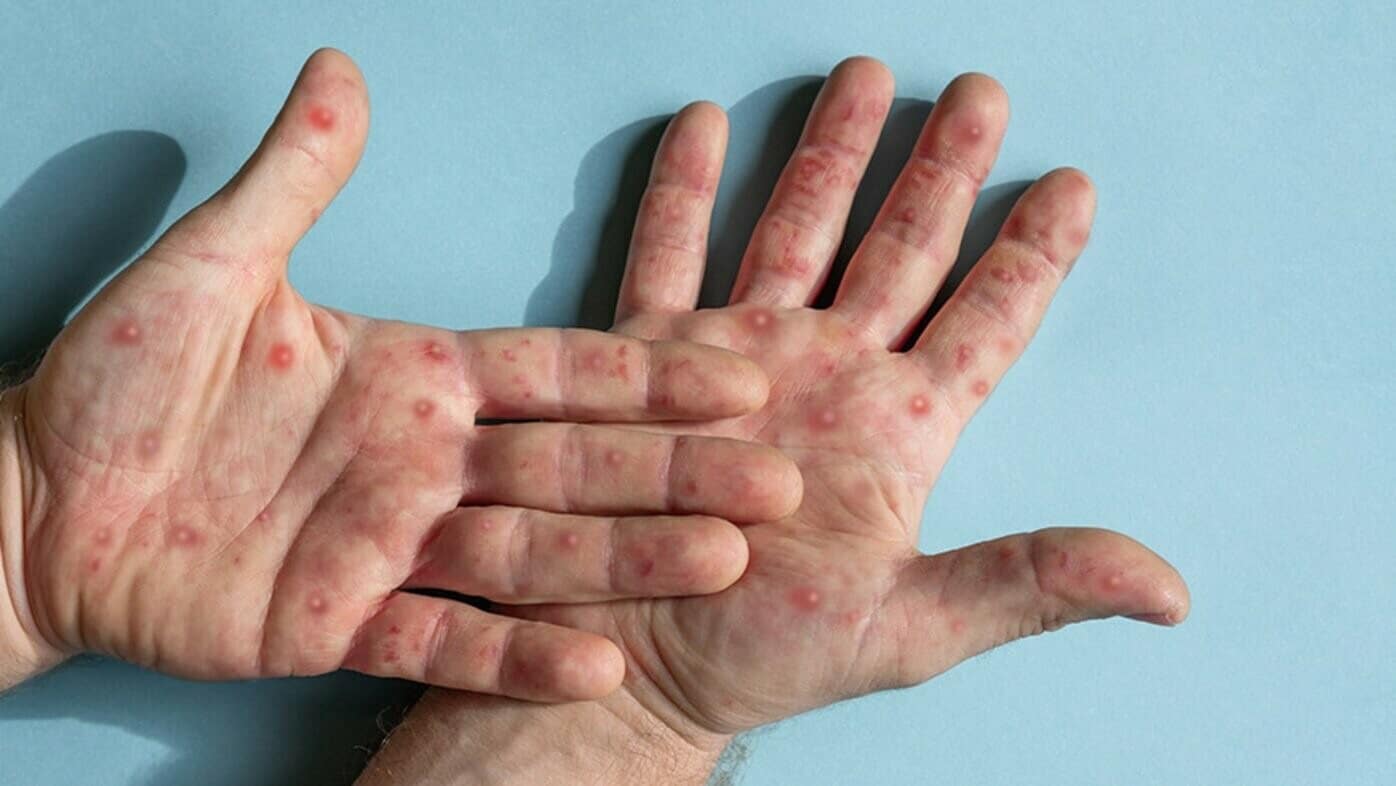

Monkeypox has recently gained significant attention as a result of its declaration as a global health emergency by the World Health Organization (WHO). This article aims to provide an overview of what monkeypox is, its symptoms, and available treatment options.
What is Monkeypox?
Monkeypox is a viral zoonotic disease caused by the monkeypox virus, which belongs to the same family as the variola virus, responsible for smallpox. It was first identified in monkeys in 1958 and was later recognized in humans in 1970. The virus is primarily found in Central and West African countries, but recent outbreaks have highlighted its potential to spread to other regions.

Transmission and Symptoms
Monkeypox is transmitted to humans through direct contact with infected animals, such as rodents or primates, or through contact with bodily fluids, skin lesions, or respiratory droplets of infected individuals. The disease can also spread through contaminated materials like bedding.
Symptoms of monkeypox typically appear 5 to 21 days after exposure and include:



- Fever
- Chills
- Headache
- Muscle aches
- Backache
- Fatigue
- Swollen lymph nodes
- Rash that usually begins on the face and then spreads to other parts of the body
The rash progresses through different stages, from macules (flat spots) to papules (raised bumps), vesicles (blisters), pustules (pus-filled bumps), and finally scabs.
Diagnosis and Treatment
Help us expose the truth
The Azadi Times is funded by readers like you. No corporate sponsors. No government influence. Just fearless reporting.
Diagnosing monkeypox involves a combination of clinical assessment and laboratory testing. Testing for the virus can be conducted using PCR (polymerase chain reaction) tests, which detect viral DNA in samples taken from lesions, blood, or other bodily fluids.


Currently, there is no specific treatment for monkeypox, but supportive care can help manage symptoms and complications. This may include:
- Pain and fever relief with medications such as acetaminophen or ibuprofen
- Ensuring adequate hydration and nutrition
- Treating secondary infections if they occur
In some cases, antiviral drugs like tecovirimat, which is used for smallpox, may be considered, though their effectiveness for monkeypox is still under investigation. Vaccines developed for smallpox, such as the ACAM2000 and JYNNEOS vaccines, may provide some protection against monkeypox and are sometimes used in outbreak settings.
Prevention
Preventing monkeypox involves minimizing exposure to potential sources of infection. Key preventive measures include:
- Avoiding contact with wild animals and their bodily fluids
- Practicing good hygiene, including regular handwashing
- Using personal protective equipment (PPE) when caring for infected individuals
- Isolating infected patients to prevent transmission
In the event of an outbreak, public health authorities may implement additional measures, such as vaccination campaigns and travel advisories, to control the spread of the virus.
Monkeypox is a serious viral disease with symptoms that can resemble other poxviruses. While there is no specific cure, supportive care and preventive measures can help manage and reduce the risk of infection. Staying informed about the disease and following public health guidelines are essential in preventing its spread and protecting public health.