

Skardu, Gilgit Baltistan (Pakistaan administrated Kashmir): A young man in northern Pakistan faces criminal charges after authorities accused him of posting “disrespectful” comments about the country’s powerful army chief in a private WhatsApp group, in a case that has renewed concerns about shrinking freedom of expression in the South Asian nation.
The Arrest and Charges
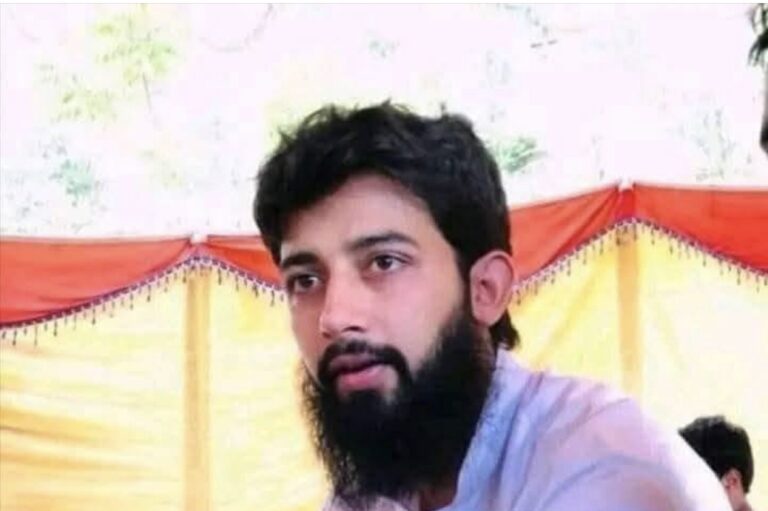
According to Pamir Times a local newspape police in Skardu, a city in Disputed Kashmir’s Gilgit-Baltistan region, arrested Sheer Ali this week under sections 500 (defamation), 504 (intentional insult), and 505 (public mischief) of the Pakistan Penal Code. According to police officials, Ali allegedly used “abusive and provocative language” against General Asim Munir, the Chief of Army Staff (COAS), in a closed WhatsApp group.
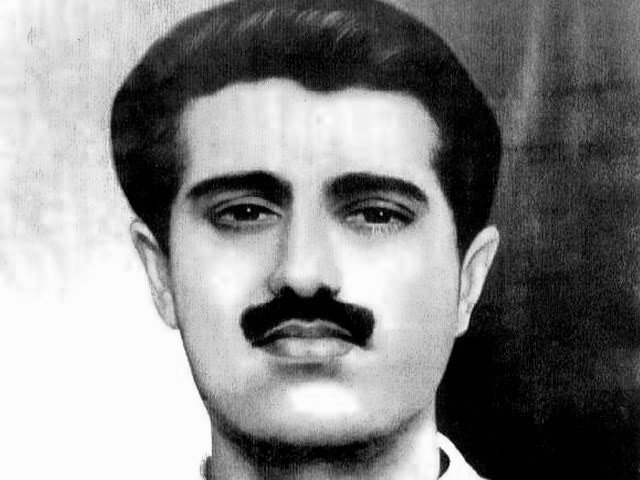
A local court denied Ali’s bail request and remanded him into police custody for further investigation. If convicted, he could face fines and potential jail time.
Broader Crackdown on Digital Dissent
The arrest comes amid a widening crackdown on online criticism of Pakistan’s military, which plays an outsized role in the country’s politics and security affairs. Authorities have increasingly used cybercrime laws, including the controversial Prevention of Electronic Crimes Act (PECA), to prosecute social media users for posts deemed offensive to state institutions.
In recent years, journalists, activists, and ordinary citizens have faced legal action and in some cases, enforced disappearances—for criticizing the military on platforms like Twitter (now X), Facebook, and WhatsApp.

Legal and Rights Groups Raise Alarms
Free speech advocates argue that applying defamation laws to private WhatsApp groups sets a dangerous precedent.
“This isn’t about public order it’s about punishing dissent,” said a Gilgit-based human rights lawyer, speaking on condition of anonymity due to fear of reprisal. “When the state prosecutes people for private conversations, it sends a chilling message.”
Digital rights organizations have documented a surge in such cases, with Pakistan ranking among the top countries for internet shutdowns and online censorship.

Public Reaction and Military’s Role
The case has sparked debate on social media, with some users defending the arrest as necessary to maintain “respect” for the military, while others see it as another sign of eroding civil liberties.
Pakistan’s military has long been considered the country’s most powerful institution, influencing elections, media, and policy behind the scenes. Public criticism of top generals remains rare and increasingly risky.
What Comes Next?
Ali’s case is expected to proceed in the coming weeks, with rights groups monitoring whether courts will uphold free speech protections under Pakistan’s constitution.
Meanwhile, the arrest serves as a warning to social media users: even private discussions can draw the state’s scrutiny in today’s Pakistan.
— The Azadi Times News Network
(This is a developing story. Updates will follow as more information becomes available.)