








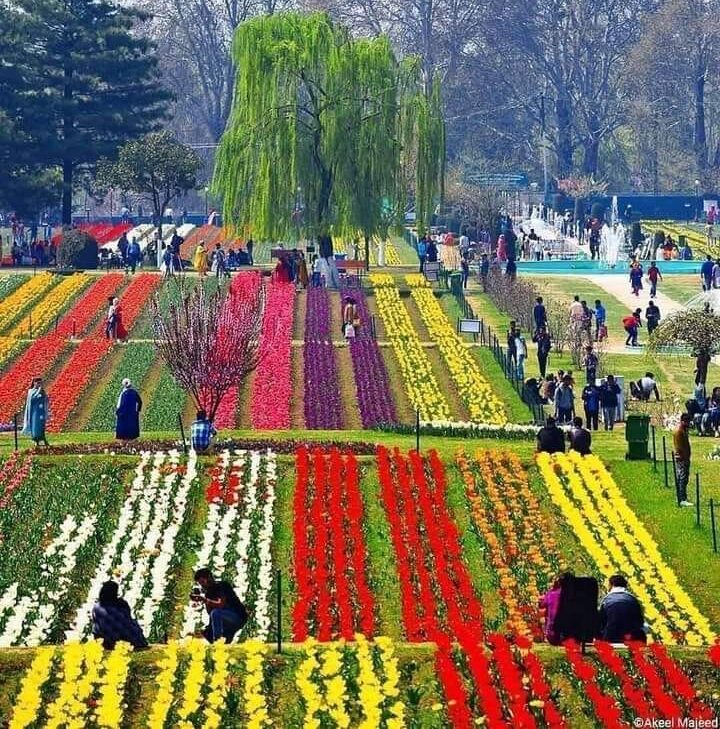
SRINAGAR, Indian-Administered Kashmir – Every spring, the foothills of the Zabarwan Range in Srinagar burst into a riot of colors as Asia’s largest tulip garden, the Srinagar Tulip Garden, opens its gates to visitors from around the world. With over 1.5 million tulip bulbs in bloom, the garden is not just a visual spectacle but also a symbol of Kashmir’s resilience, tourism revival, and horticultural excellence.
Kashmir Needs Your Voice
With internet services suspended in Pakistan-administered Kashmir since 6 June 2026, timely reporting has become increasingly challenging. The Azadi Times is inviting Kashmir-based writers and journalists to join our network of authors and contributors.
Every spring, the garden comes alive, drawing not only tourists from around the world but also shining a spotlight on the region’s horticultural prowess and its cultural and political significance.
The History of Srinagar’s Tulip Garden
The Tulip Garden in Srinagar was inaugurated in 2007 with a vision to promote horticulture and tourism in the Kashmir Valley. The project was launched by the Jammu and Kashmir government as part of an effort to diversify the tourism offerings in the region and showcase Kashmir’s floral heritage. Spread across 12 hectares of land on the gentle slopes of the Zabarwan Range, the garden boasts an impressive collection of tulips from around the world.
Dr. Mohammad Iqbal, a horticulturist in charge of the garden, explains:
“Our goal was to create a sustainable, eco-friendly space that could not only attract tourists but also highlight the potential of Kashmir’s horticultural industry. Tulips were chosen due to their vibrant colors and strong cultural ties to the region.”
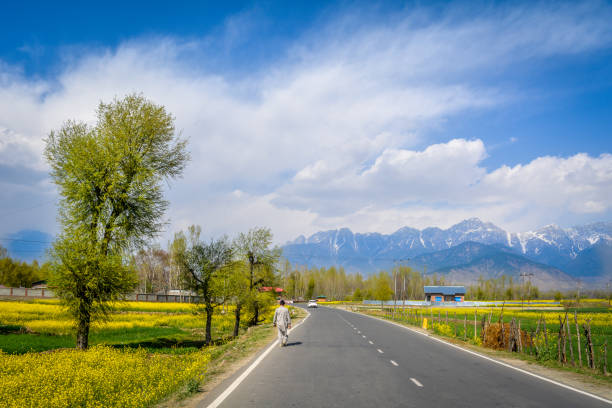
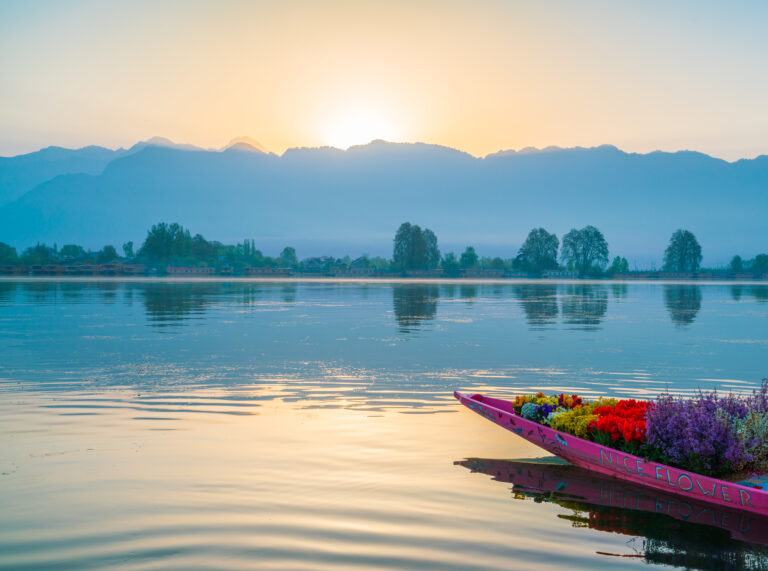
What started as an experimental project quickly blossomed into the largest tulip garden in Asia, captivating visitors with its vivid colors and pristine setting against the backdrop of snow-capped mountains and Dal Lake. Today, it stands as a symbol of Kashmir’s resilience and beauty.
The Tulip Garden: A Feast for the Senses
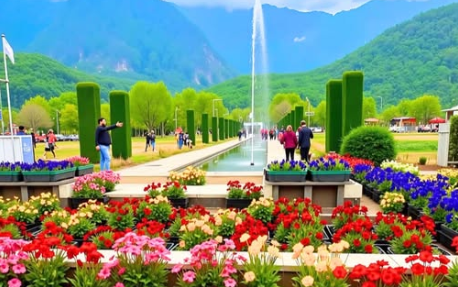
The Tulip Garden of Srinagar opens its gates to the public every spring, from late March to early April, when the tulips are in full bloom. With over 1.5 million tulips of various colors—ranging from bold reds to delicate pastels—the garden offers a visual spectacle like no other. The tulips are planted in carefully planned rows to ensure that visitors experience a continuous bloom, making the garden an unforgettable sight.


Help us expose the truth
The Azadi Times is funded by readers like you. No corporate sponsors. No government influence. Just fearless reporting.
Each year, the garden welcomes tourists from around the world, who come to witness this ephemeral beauty. As visitors stroll through the rows of tulips, they are treated to the fragrance of flowers and the serene beauty of the landscape. The backdrop of the Zabarwan Range adds an element of grandeur, further enhancing the charm of the experience.
Fahad, a first-time visitor from India, shares his experience:
“The sight of so many tulips, stretching as far as the eye can see, is simply awe-inspiring. I had never seen anything like it before. The combination of nature, mountains, and flowers makes the Tulip Garden in Srinagar truly unique.”
The Tulip Festival
Tulip Garden and Tourism
Beyond its aesthetic beauty, the Tulip Garden plays a vital role in the region’s economy. Kashmir, with its turbulent past, has long faced challenges in maintaining a steady influx of tourists. However, the Tulip Garden has helped to boost Kashmir’s tourism industry, attracting thousands of domestic and international tourists every year.
In 2021, despite ongoing political challenges, the garden saw an impressive number of visitors, signaling a positive shift in tourism patterns in Kashmir. Hotels, restaurants, and local vendors in Srinagar benefit from the annual influx of tourists, contributing to the region’s economic recovery.
Shahnawaz Ahmad, a local tour guide in Srinagar, remarks:
“Every year, when the Tulip Garden opens, we see a noticeable increase in tourists. People are eager to witness the blooms, and it gives us a chance to show them the true beauty of Kashmir beyond the usual narrative of conflict.”
Moreover, the garden’s success is not only measured by the number of tourists it attracts, but also by the cultural revival it fosters. The Tulip Garden serves as a symbol of hope and renewal, reminding locals and visitors alike of Kashmir’s enduring beauty despite the challenges it faces.
Ecological and Environmental Significance
The Tulip Garden of Srinagar stands as a model of sustainable horticulture. The garden is managed with a focus on organic farming and conservation practices. Pesticides and harmful chemicals are avoided, and efforts are made to conserve water, a critical resource in the region’s semi-arid climate.
Dr. Iqbal explains:
“Our aim is to not only showcase the beauty of the tulips but to also set an example in sustainable farming. We follow organic methods and focus on water conservation. It’s an important lesson in how tourism can coexist with environmental stewardship.”
The garden also contributes to the preservation of the region’s natural ecosystem. The well-maintained green space helps to prevent soil erosion and provides a habitat for local wildlife, including birds and insects.
Additionally, the Tulip Garden has become an educational space where visitors, particularly students, can learn about sustainable agriculture, the importance of biodiversity, and the challenges of climate change.
The Symbolic Power of the Tulip Garden
Beyond its role as a tourist destination and economic driver, the Tulip Garden holds a deeper, symbolic significance for the people of Kashmir. In a region that has seen decades of unrest and political conflict, the blooming tulips offer a message of renewal and peace.
The timing of the garden’s bloom, right as Kashmir begins to emerge from its harsh winters, adds to its symbolism. For many Kashmiris, the tulips represent resilience—the ability to flourish despite adversity.
Mirwaiz Umar Farooq, a prominent religious and political leader in Kashmir, shares his perspective:
“The Tulip Garden is a symbol of Kashmir’s spirit. No matter the hardships we face, the beauty of this garden reminds us that Kashmir, like the tulips, will continue to bloom and shine.”
Srinagar’s Tulip Garden Takes the Global Stage
Over the years, the Tulip Garden in Srinagar has garnered attention from international media outlets, travel blogs, and social media platforms. The garden has been featured in numerous travel guides, with visitors from countries like the United States, Europe, and the Middle East highlighting it as one of Asia’s most beautiful destinations.
The power of social media has played a major role in bringing the garden to the world’s attention. Instagram, YouTube, and travel websites have showcased breathtaking photographs and videos of the tulips, further solidifying Srinagar’s place as a must-visit destination in Asia.
Shaila Gupta, a travel influencer who visited the garden, says:
“The Tulip Garden in Srinagar is unlike any other. The sheer scale of it, combined with the majestic backdrop of the Zabarwan mountains, makes it a once-in-a-lifetime experience. It’s a hidden gem that deserves to be seen by more people from around the world.”
How to Visit Srinagar’s Tulip Garden
Challenges and Opportunities for the Future
While the Tulip Garden has been a major success, there are challenges that remain. Climate change poses a significant threat to the timing and quality of the blooms, and political instability in the region continues to impact tourism.
However, local authorities and horticulturists remain optimistic that the garden can continue to thrive. With proper planning, climate-resilient practices, and increased global awareness, the Tulip Garden has the potential to grow into an even greater symbol of Kashmir’s natural beauty.
Dr. Iqbal remains hopeful:
“Challenges exist, but the Tulip Garden has shown that with determination, we can create a space that not only survives but thrives. We are committed to ensuring that the garden remains a sustainable, vibrant part of Kashmir’s landscape.”
The Tulip Garden of Srinagar, Asia’s largest, is more than just a garden. It is a celebration of Kashmir’s resilience, beauty, and cultural heritage. In a world that often sees the region through a lens of conflict, the Tulip Garden stands as a reminder of nature’s ability to heal and inspire.
As Srinagar prepares to welcome another blooming season, the Tulip Garden remains a beacon of hope, not only for Kashmir but for the world, offering a symbol of renewal, peace, and the enduring spirit of the people of Kashmir.

