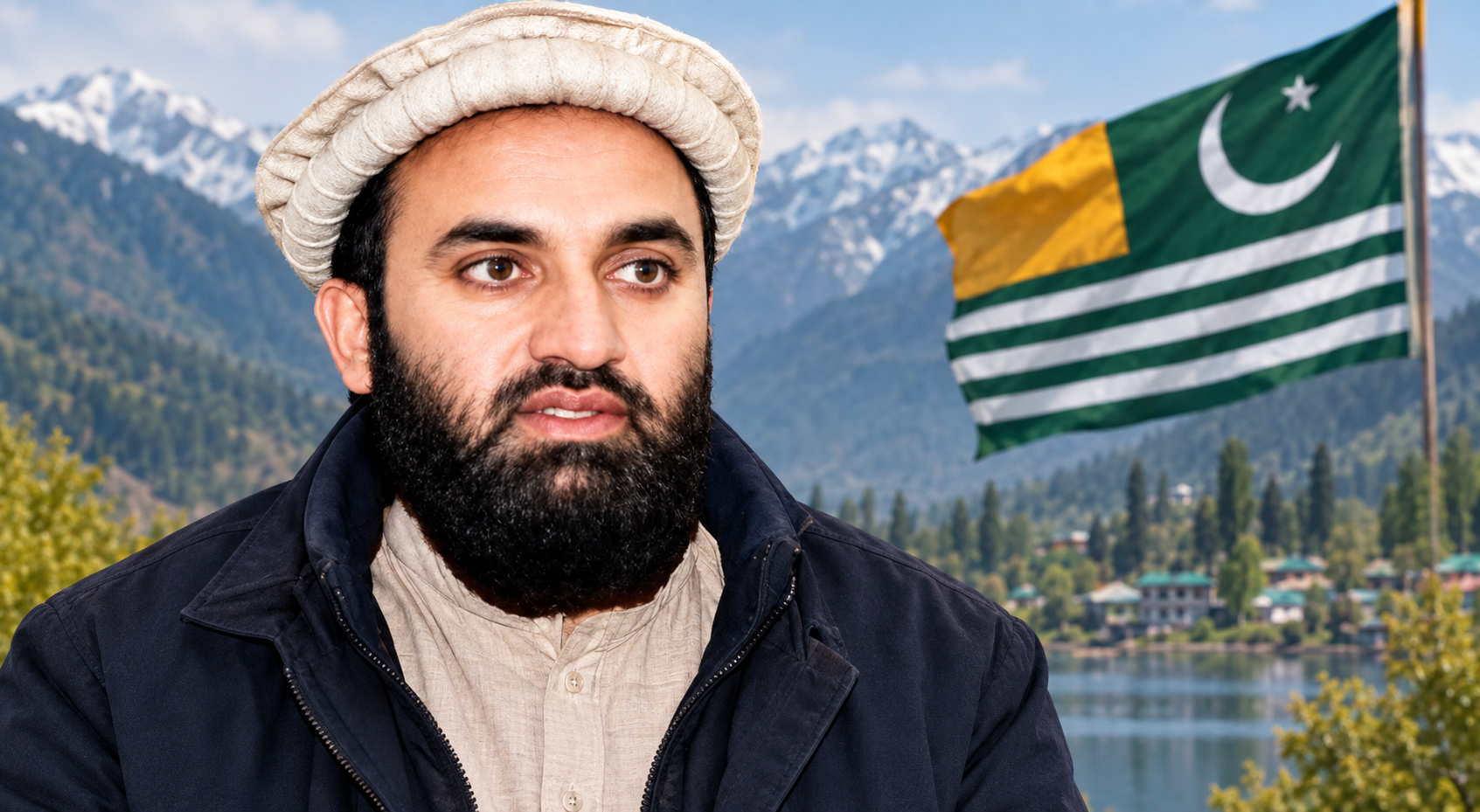
Sardar Umar Nazir Kashmiri says suppression will only deepen challenges for authorities as public mobilization continues across Azad Kashmir.
RAWALAKOT — A senior leader of the Jammu & Kashmir Joint Awami Action Committee (JAAC) has warned that authorities risk compounding their own difficulties by attempting to suppress public dissent through coercive measures.
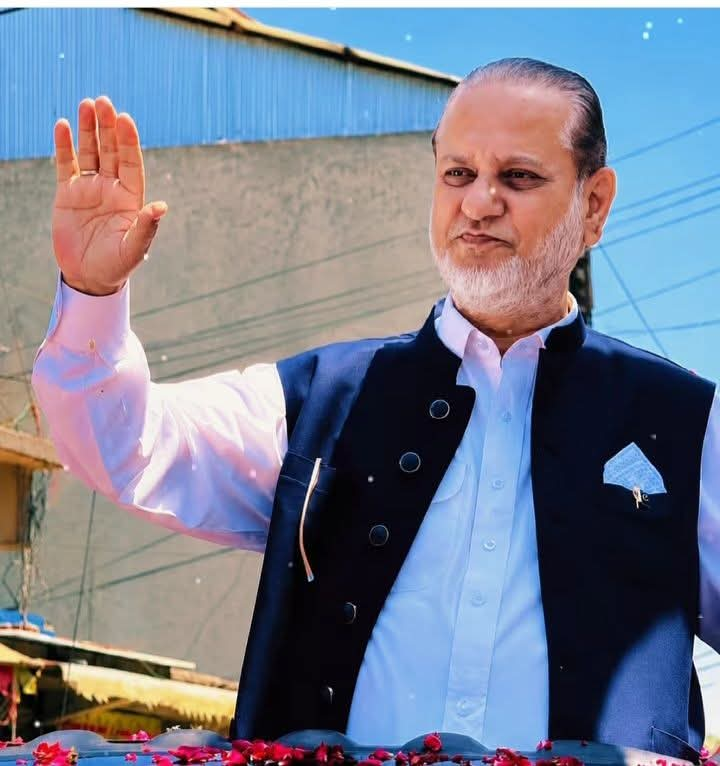
Addressing a gathering on September 9, JAAC member Sardar Umar Nazir Kashmiri maintained that citizens remain resolute in their ongoing movement and have resolved to isolate political and administrative facilitators standing in the way of legitimate public demands.
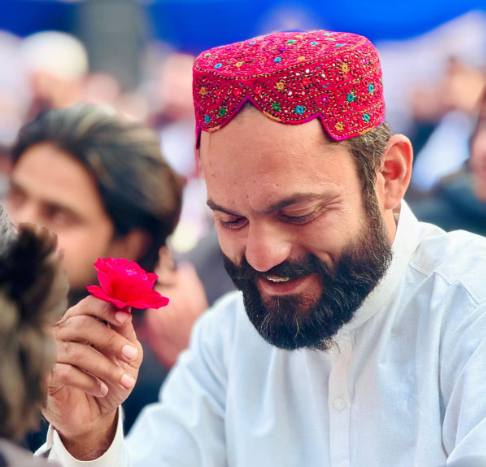
"We pledge to boycott the businesses of facilitators," Kashmiri said, criticizing what he described as attempts by the administration to manage the situation through pressure rather than addressing the core grievances raised by the population.
According to Kashmiri, the continued reliance on state machinery and pressure tactics will fail to resolve underlying issues, potentially creating further administrative and political complications for the government in Islamabad and regional authorities.
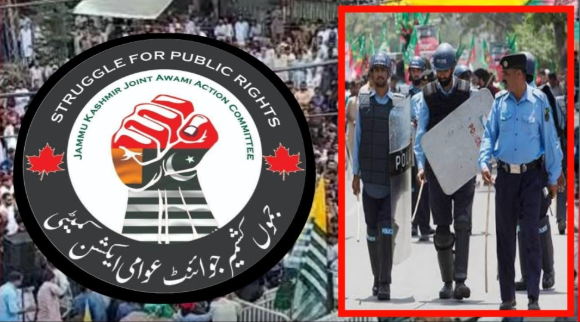
The Joint Awami Action Committee has previously spearheaded major demonstrations, shutter-downs, and transport strikes across Azad Kashmir to demand subsidized electricity, fair wheat pricing, and relief from public service burdens.

While the remarks reflect the stance of the JAAC leadership, the ongoing socioeconomic mobilization continues to remain a focal point of public discourse regarding governance and civil rights across the region.